



As winter sets in, freezing temperatures bring more than slick roads and snow-covered parking lots; they can also create serious problems for fire sprinkler systems. Cold weather is one of the most common causes of sprinkler system failures, and many of the worst issues don’t show up during the freeze, but right after temperatures rise above freezing.
Why Freezing Temperatures Are a Problem
Most fire sprinkler systems contain water-filled piping. When temperatures drop below 32°F, any water in unprotected pipes can freeze. As water turns to ice, it expands, placing extreme pressure on pipes, fittings, and valves.
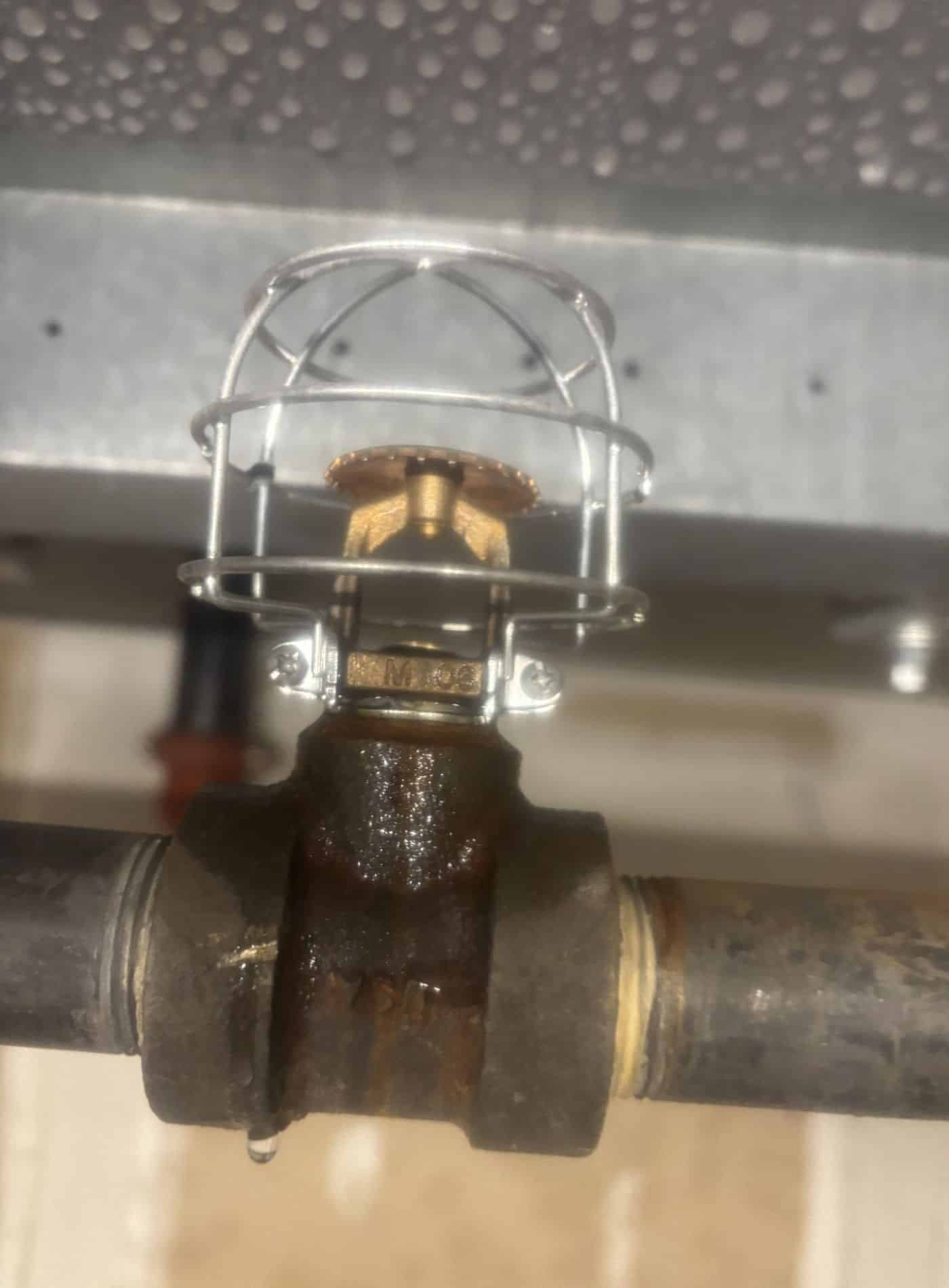
Often, the damage occurs while everything is frozen solid, but the failure becomes visible once temperatures rise. As the ice thaws, cracked pipes and fittings begin to leak, sometimes flooding spaces before anyone realizes there’s a problem.
Common results include:
- Cracked or burst sprinkler piping
- Damaged fittings and control valves
- Sudden leaks and water damage during thawing
- Fire sprinkler systems that are inoperable during an emergency
Beyond property damage, a compromised sprinkler system can impact life safety and leave a building out of code compliance.
Areas Most at Risk for Freezing
Certain areas of a building are especially vulnerable to freezing temperatures, particularly where heat is inconsistent or absent. These commonly include:
- Unheated warehouses or storage spaces
- Loading docks and piping along exterior walls
- Attics, crawl spaces, and concealed areas
- Buildings with poor insulation or air leaks
- Vacant or partially heated properties
Even short cold snaps can cause damage, especially if temperatures drop overnight and rise again during the day.
Common Winter-Related Sprinkler System Failures
Many winter service calls happen after a freeze, once systems thaw and problems become obvious. Typical cold-weather failures include:
- Branch lines or mains that crack and begin leaking after thawing
- Dry or pre-action systems affected by cold valve rooms
- Broken sprinklers caused by ice expansion
- Fire department connections that freeze and fail to drain properly
These issues often appear unexpectedly, leading to emergency repairs, water damage, and system shutdowns.
How to Protect Fire Sprinkler Systems from Freezing
The good news is that freezing-related sprinkler damage is largely preventable with proper planning and maintenance. Key steps include:
- Maintaining consistent heat in all areas with sprinkler piping
- Insulating pipes in exposed or cold locations
- Sealing air leaks around doors, windows, and wall penetrations
- Draining low points where water can collect and freeze
- Monitoring building temperatures during nights, weekends, and holidays
- Scheduling regular inspections before and throughout the winter season
For buildings that cannot be reliably heated, dry pipe or antifreeze sprinkler systems may be a better solution and should be evaluated by a qualified fire protection professional.
The Importance of Winter Inspections
Cold-weather sprinkler failures often occur in systems that already had vulnerabilities. A professional inspection can identify these risks before they turn into major problems, especially ahead of freeze/thaw cycles.
Winter inspections help ensure that:
- Heat is reaching all sprinkler piping and equipment
- Valves, alarms, and controls are operating properly
- No maintenance or drainage issues are present
- The system remains compliant with NFPA and local code requirements
Don’t Let Freeze-Thaw Cycles Compromise Your Fire Protection
Freezing temperatures can turn a reliable fire sprinkler system into a liability if proper precautions aren’t taken. Proactive maintenance, adequate heating, and professional inspections are essential to keeping systems operational all winter long.
If you’re unsure whether your fire sprinkler system is prepared for cold weather, now is the time to act. A small preventive step today can help avoid major repairs and serious safety risks tomorrow.