



Fire Protection Services in Norwalk, CT
Fire protection services in Norwalk, CT play a critical role in helping businesses stay safe, operational, and compliant throughout the year. When a fire alarm panel starts displaying trouble conditions, a communication device fails, or a critical system component stops responding, property owners are often left searching for answers fast. What appears to be a minor issue can quickly become a major concern when life safety systems are involved.
For many commercial property owners, facility managers, and landlords throughout Norwalk, the biggest concern is not just fixing the immediate problem. It is making sure the entire system remains reliable, code compliant, and capable of protecting people and property when it matters most. That is where experienced fire protection professionals become an important resource.
Whether the issue involves inspections, repairs, testing, monitoring, code upgrades, or emergency service, having a dependable team available can make the difference between a quick resolution and a costly interruption to business operations.
About Norwalk and Local Property Conditions
Norwalk is one of Connecticut's most active coastal business communities, combining historic commercial districts, modern office developments, industrial facilities, apartment complexes, healthcare properties, and mixed use buildings throughout the city. Areas such as South Norwalk, East Norwalk, the Route 7 corridor, and the downtown business district all present unique fire protection challenges based on building age, occupancy, and infrastructure.
Properties located closer to Long Island Sound often experience higher humidity levels throughout the warmer months. Over time, moisture exposure can contribute to corrosion inside electrical enclosures, communication equipment, and system components. Older structures throughout portions of South Norwalk and the Wall Street area may also contain aging electrical pathways and legacy equipment that require ongoing maintenance to remain dependable.
Winter conditions create a different set of concerns. Extended heating cycles can increase airborne dust throughout commercial spaces, warehouses, and office environments. Those particles can accumulate inside smoke detectors and sensitive system devices, potentially leading to nuisance alarms, trouble signals, or reduced system performance.
Many property owners first discover a problem when an alarm panel begins beeping unexpectedly, a monitoring connection drops offline, or a scheduled inspection reveals equipment that no longer meets current requirements. These issues are often signs of larger underlying problems that should be addressed before they affect overall system reliability.
Businesses looking to maintain safe and compliant facilities throughout the region often rely on comprehensive fire protection services, proactive inspections, and ongoing maintenance programs that help identify potential issues before they become emergencies.
Our Fire Protection Services in Norwalk
We provide complete fire protection services in Norwalk for commercial properties, industrial facilities, apartment communities, office buildings, healthcare environments, educational facilities, and mixed use developments throughout the area. Our goal is to help clients maintain dependable systems that support both safety and compliance.
Our team works with a wide range of fire protection equipment, including fire alarm systems, monitoring equipment, communication devices, detection systems, and code required safety infrastructure. Whether a property requires emergency repairs, routine inspections, preventative maintenance, or modernization of aging equipment, we provide practical solutions designed to keep systems operating properly.
Many clients contact us after receiving inspection deficiencies, experiencing repeated trouble conditions, or noticing signs that their equipment is no longer performing as expected. Others reach out while planning renovations, tenant improvements, occupancy changes, or system upgrades that require professional guidance and code expertise.
Because downtime can create significant operational challenges, our technicians arrive prepared to diagnose problems efficiently and identify the most effective path forward. We work with trusted industry manufacturers and proven equipment platforms to help ensure long term reliability and performance.
In addition to repairs and inspections, we assist property owners with fire protection system code upgrades, modernization projects, and ongoing compliance support. These services help businesses address aging infrastructure, improve system performance, and prepare for future inspections with confidence.
Facilities that require continuous monitoring and rapid emergency response may also benefit from professional fire alarm security and monitoring solutions designed to provide an additional layer of protection.
Common Problems Property Owners Face in Norwalk
Fire Alarm Trouble Signals Continue Appearing Without Warning
One of the most common concerns property managers encounter is a fire alarm panel that repeatedly displays trouble conditions. These warnings may seem minor at first, but they often indicate deeper issues involving batteries, communication devices, wiring faults, or system components that are no longer functioning correctly.
Many businesses ignore these warnings because the system appears to remain operational. Unfortunately, trouble conditions can prevent important signals from reaching emergency responders when they are needed most. Identifying and correcting these issues early helps reduce risk and improve overall system reliability.
Inspection Deficiencies Create Compliance Concerns
Routine inspections frequently uncover equipment that no longer meets current requirements. In some cases, devices have reached the end of their service life. In others, previous modifications, occupancy changes, or building renovations may have created compliance gaps that need to be addressed.
Property owners are often surprised to learn how quickly code requirements can change over time. Addressing deficiencies promptly helps avoid delays, penalties, and costly corrections later.
Communication Failures Disconnect Buildings From Monitoring Centers
Modern fire protection systems depend on reliable communication pathways. When monitoring connections fail, emergency signals may not reach the appropriate response centers. These failures can be caused by aging phone lines, damaged communication hardware, outdated transmission technology, or network related issues.
Businesses throughout Norwalk rely heavily on dependable communication systems because uninterrupted monitoring remains one of the most important parts of a complete fire protection strategy.
Moisture Exposure Causes Equipment Problems
Properties located near the coastline often experience higher humidity levels throughout the year. Over time, moisture can affect electrical components, corrode terminals, damage communication devices, and contribute to system malfunctions.
Building owners may notice recurring trouble signals, inconsistent device performance, or visible corrosion around equipment. Addressing moisture related concerns early can help extend equipment life and improve long term system stability.
Aging Systems Become More Difficult to Maintain
Many commercial properties throughout Norwalk still operate older fire protection equipment that was installed years ago. While some systems continue functioning beyond their intended lifespan, replacement parts often become difficult to obtain and service support may become increasingly limited.
As systems age, unexpected failures become more common. Modernizing outdated equipment can improve reliability, simplify maintenance, and help properties remain compliant with current standards.
How Our Fire Protection Services CT Process Works
Step 1 – Property Evaluation and System Review
Every project begins with a detailed review of the property's fire protection equipment. Our technicians evaluate alarm panels, communication pathways, initiating devices, notification appliances, and supporting infrastructure to develop a complete understanding of system performance.
This process allows us to identify both immediate concerns and underlying issues that may affect long term reliability.
Step 2 – Problem Identification and Recommendations
Once testing and evaluation are complete, we identify the root cause of any deficiencies or operational concerns. Rather than focusing only on symptoms, we look for the underlying issues that create recurring problems.
We then provide clear recommendations and explain available options so property owners can make informed decisions regarding repairs, upgrades, inspections, or maintenance.
Step 3 – Repairs, Upgrades, or Corrective Services
After a plan is established, our technicians perform the necessary work using proven installation methods and quality equipment. Depending on the situation, this may involve replacing failed devices, updating communication equipment, correcting deficiencies, or performing larger system improvements.
Every service is completed with a focus on reliability, safety, and code compliance.
Step 4 – Verification and Ongoing Support
Before any project is considered complete, we verify that the system is functioning properly and all required components operate as intended. Testing procedures help confirm that signals communicate correctly, devices respond appropriately, and system performance meets expectations.
Many clients choose to continue with ongoing inspection testing and maintenance services to help keep their equipment operating efficiently throughout the year.
Regular maintenance provides an opportunity to identify small concerns before they become larger issues that affect business operations or compliance requirements.
Recent Jobs and Reviews in Norwalk, CT
Norwalk, CT at a glance
Blackwater Services Group, LLC has completed 25 jobs in Norwalk, CT between December 2025 and September 2026.
The most recent job was on September 11, 2026.
Our Local Reviews by City
- Montville, CT (1)
- New Britain, CT (1)
- New London, CT (1)
- North Haven, CT (1)
- Stratford, CT (1)
Job Locations and Reviews


Our team successfully replaced corroded sprinkler heads safeguarding a cooler with new, cooler-rated sprinkler heads. This upgrade was crucial to maintaining the integrity of the fire sprinkler system in a refrigerated environment. We meticulously assessed the existing system, removed the corroded heads, and installed the new, cooler-rated heads to ensure optimal performance. This proactive measure enhances the system's reliability and effectiveness, providing enhanced protection against potential fire hazards. Our attention to detail and expertise ensured a seamless transition, maintaining the highest safety standards.
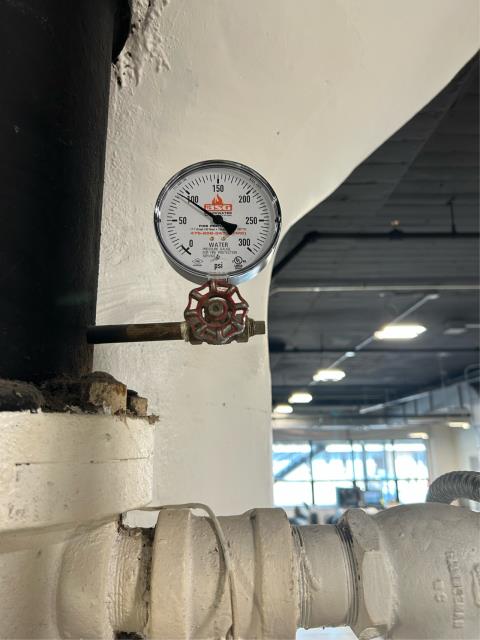
Just finished up replacing outdated fire sprinkler pressure gauges for a new customer. We replaced the old gauges with new ones to help ensure the fire sprinkler system is properly monitored and the pressure readings are accurate.
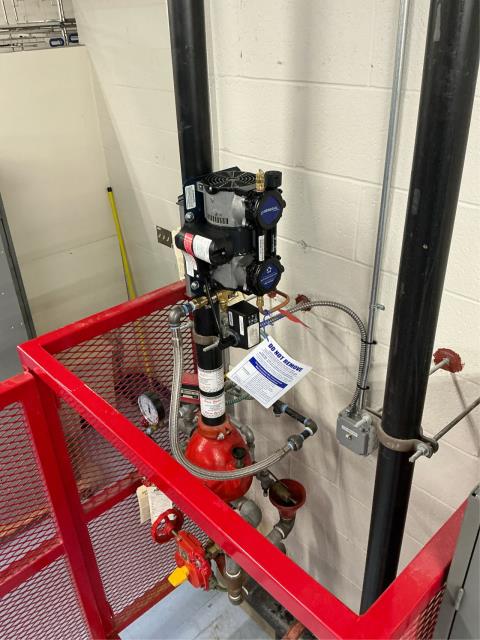
Completed the replacement of a riser-mounted air compressor serving a dry pipe fire sprinkler system. The existing compressor was removed and replaced, and the system was tested to verify proper air pressure and operation. The dry sprinkler system was returned to service following completion of the work.


Just completed the annual NFPA inspection and testing of multiple wet and dry fire sprinkler systems, standpipes, backflow preventers, and a diesel fire pump for a large retail facility. These routine inspections help verify that all fire protection systems are functioning properly and meet current NFPA requirements.
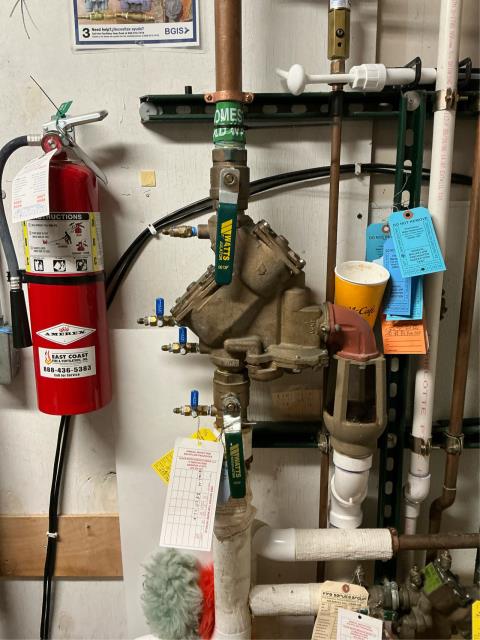
Just completed the annual NFPA inspection and testing of two backflow prevention devices. These inspections are an important part of maintaining fire protection and water system safety, helping ensure backflow assemblies operate properly and comply with NFPA standards.


Completed the annual inspection and testing of three wet pipe fire sprinkler systems and three backflow prevention devices at a commercial property.


We recently completed the annual NFPA inspection for multiple wet and dry fire sprinkler systems at a local shopping plaza. Regular inspections help ensure fire protection systems stay compliant, operate properly, and are ready in the event of an emergency. Our team thoroughly tested and inspected each system to verify everything is functioning according to NFPA standards and local fire code requirements.
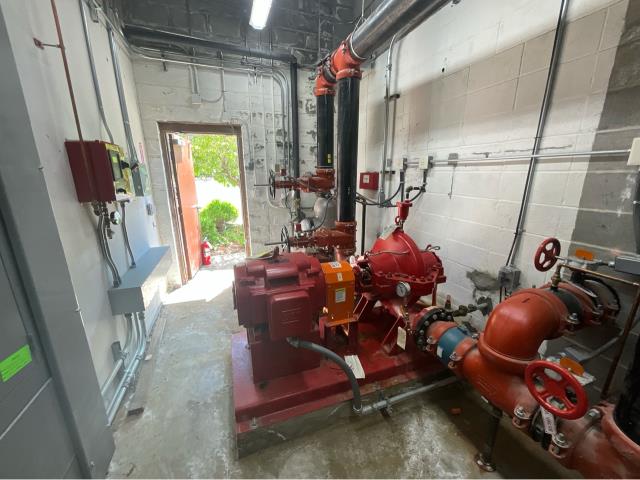
Just completed the NFPA monthly pump churn test on an electric fire pump. This routine test verifies the pump starts automatically, maintains proper pressure, and is ready to perform in an emergency.


We just completed an NFPA quarterly inspection for a large retail facility, covering multiple wet fire sprinkler systems, dry sprinkler systems, and standpipe systems. Routine NFPA inspections are critical to ensure fire protection systems are functioning properly and ready in the event of an emergency. Our team thoroughly checked system components, verified proper operation, and confirmed everything meets current safety standards.
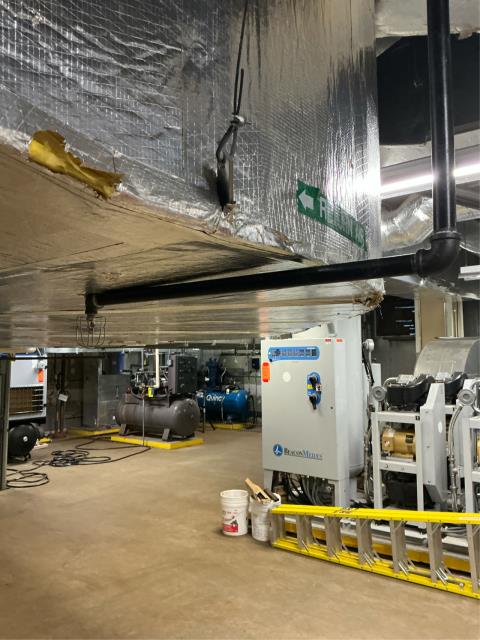
Just completed the replacement of a section of fire sprinkler piping and installed a new sprinkler head that had been temporarily plugged during a mechanical project. Once construction work is completed, it’s important to restore the sprinkler system to full operation to maintain proper fire protection coverage. Our team removed the temporary plug, installed the new components, and returned the system to service.
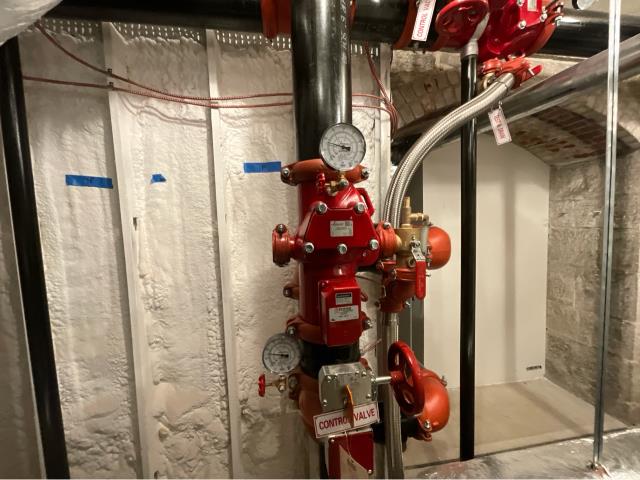
We just wrapped up a quarterly fire sprinkler inspection that included a wet system, dry system, and standpipe system. Regular quarterly inspections are essential to ensure your fire protection systems are operating properly and remain compliant with NFPA requirements and local fire codes.


Responded to an emergency service call for a fire sprinkler pipe leak. Upon arrival, found the sprinkler line had frozen and a tee fitting had burst due to ice expansion. Repaired the damaged piping, restored system pressure, and placed the fire sprinkler system back in service.


Completed replacement of a frozen flex sprinkler head that ruptured due to cold air infiltration from an opening in the ductwork. Replaced the damaged flex head and associated fittings that cracked from freezing.


Completed quarterly inspections on multiple wet and dry fire sprinkler systems, including visual checks of control valves, gauges, air pressure, and alarm components in accordance with NFPA 25 standards.
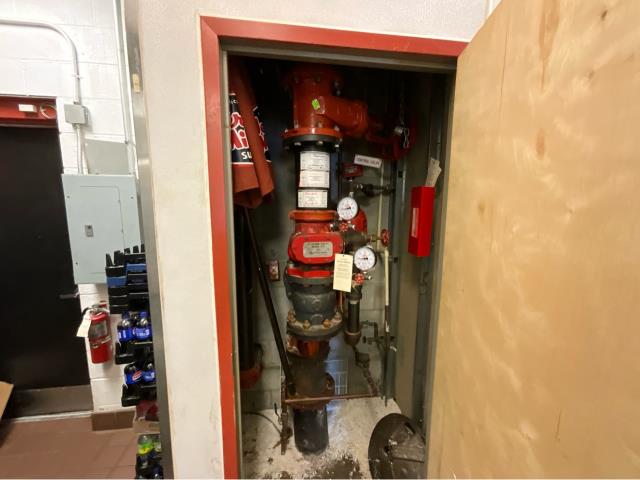
Quarterly wet fire sprinkler system inspection completed for a retail plaza—helping ensure code compliance, system reliability, and occupant safety.


Completed replacement of a ball valve on a fire sprinkler line after it froze and split. Verified proper operation after installation.
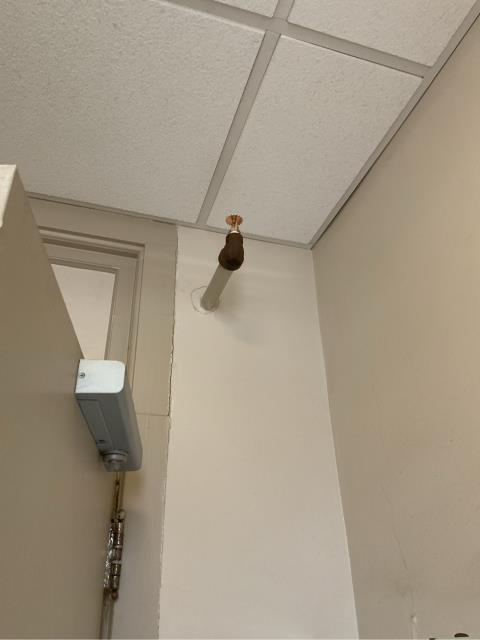
Replaced multiple upright fire sprinkler heads to maintain proper system performance and code compliance.


Finished replacing a section of corroded fire sprinkler line pipe. Removed damaged piping and installed new pipe to ensure system reliability and code compliance.


We just completed fire sprinkler system repairs by adding a spare sprinkler head cabinet, including spare heads and a sprinkler wrench, and installing missing fire sprinkler signage. These updates corrected deficiencies identified during the last inspection and helped bring the system back into NFPA 25 compliance.
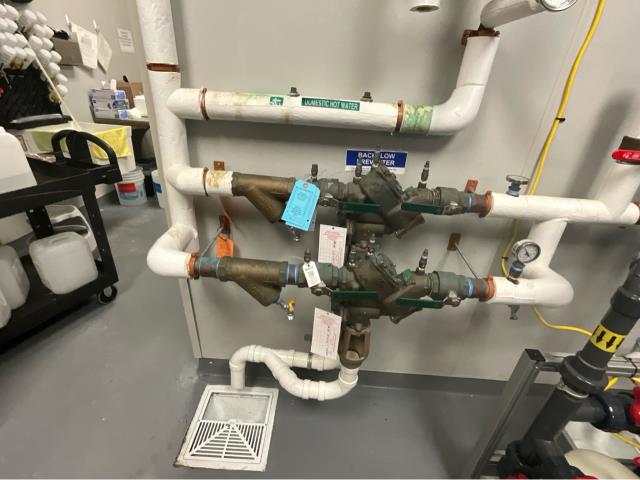
Our fire protection technicians just completed the NFPA annual inspection of two backflow prevention devices at a medical facility. Regular backflow testing and inspection is critical for healthcare buildings to ensure clean water supply, code compliance, and patient safety.
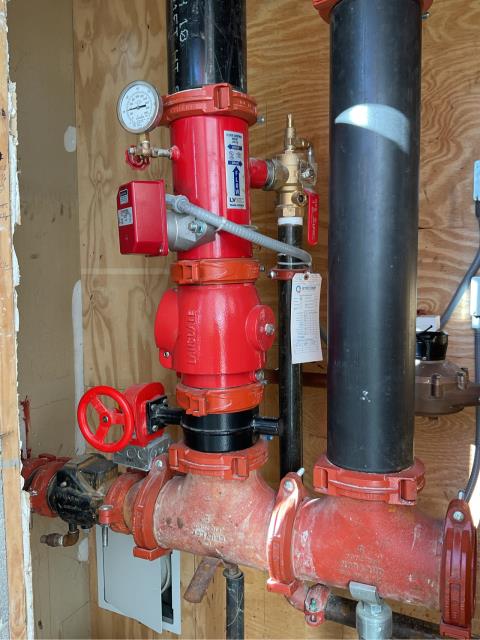
We recently completed an NFPA fire sprinkler inspection on a wet pipe sprinkler system in accordance with NFPA 25 standards. This inspection helps ensure the system remains code compliant, reliable, and ready to provide life safety protection.


We recently completed NFPA 3-year air leak testing on multiple dry fire sprinkler systems and pre-action sprinkler systems to ensure proper operation and code compliance. This required testing helps prevent corrosion, reduce system issues, and verify air pressure stability in dry and pre-action systems.
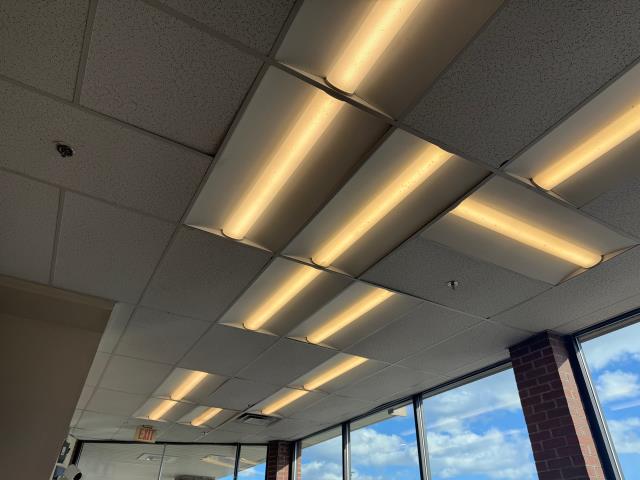
We recently completed a project involving the replacement of corroded pendant sprinkler heads to ensure the fire sprinkler system remains reliable and code compliant.


We recently finished installing additional fire sprinkler protection in a backroom receiving area. Our team added new fire sprinkler piping and sprinkler heads to improve fire safety coverage and help the space meet current fire code requirements.


Just wrapped up replacing a drum drip that froze and cracked. Got everything repaired and the fire sprinkler system back in good working order.