



Fire protection services in Stratford, CT help businesses stay prepared for unexpected system failures, inspections, and compliance requirements that can affect daily operations. When an alarm panel starts displaying trouble conditions, a fire pump experiences mechanical issues, or a communication device stops reporting properly, property owners are often left looking for answers quickly.
In many cases, the visible problem is only part of the story. What begins as a simple warning light or recurring panel notification may point to aging equipment, environmental damage, outdated components, or deficiencies that could affect overall system performance. Identifying the root cause early helps prevent larger issues from developing later.
For commercial property owners, facility managers, landlords, and building engineers throughout Stratford, maintaining dependable fire protection systems is not simply about passing inspections. It is about protecting occupants, preserving property, and keeping operations running without unnecessary interruptions.
Whether the need involves inspections, repairs, testing, monitoring, emergency service, or system modernization, having experienced fire protection professionals available provides peace of mind when it matters most.
About Stratford and Local Property Conditions
Stratford presents a unique environment for commercial fire protection systems. The town combines historic business districts, waterfront properties, industrial facilities, manufacturing operations, healthcare environments, educational campuses, and modern commercial developments spread throughout several distinct areas.
Properties located near Long Island Sound, the Housatonic River, and the Lordship neighborhood often experience environmental conditions that differ significantly from inland Connecticut communities. Increased moisture exposure, coastal air, and seasonal weather changes can all impact the long term reliability of electrical equipment, monitoring devices, communication systems, and life safety infrastructure.
Industrial properties surrounding the Sikorsky Memorial Airport corridor and manufacturing facilities throughout Stratford often rely on complex fire protection systems that require regular inspections, testing, and maintenance to remain dependable. These buildings frequently contain specialized equipment, larger occupancies, and operational requirements that place additional demands on fire protection infrastructure.
During the winter months, heating systems and reduced humidity levels can contribute to increased airborne dust throughout warehouses, commercial facilities, and office environments. Over time, these particles may accumulate inside smoke detectors and sensitive electronic components, creating performance issues that are often discovered during inspections or troubleshooting visits.
Summer conditions create a different challenge. High humidity levels combined with Stratford’s coastal location can accelerate corrosion within communication equipment, electrical enclosures, and aging system components. Property owners may notice recurring trouble signals, inconsistent device performance, or communication failures that become more common during periods of prolonged moisture exposure.
Because Stratford includes a wide variety of property types, maintaining reliable protection often requires a proactive approach that combines routine inspections, preventative maintenance, and timely system upgrades. Businesses throughout the region frequently rely on comprehensive fire protection services to help keep their facilities safe, compliant, and fully operational.
Organizations seeking broader statewide support can also explore our Connecticut fire protection services coverage to learn more about the areas we serve throughout the state.
Our Fire Protection Services in Stratford
We provide complete fire protection services in Stratford for commercial properties, industrial facilities, apartment communities, educational institutions, healthcare environments, municipal buildings, and mixed use developments throughout the area.
Our team works with a wide range of fire protection systems and equipment designed to help businesses maintain safe operations and meet applicable code requirements. Services include inspections, testing, repairs, preventative maintenance, monitoring support, deficiency corrections, and system modernization projects.
Many clients first contact us after discovering recurring alarm conditions, failed inspections, communication issues, or aging equipment that no longer performs reliably. Others reach out during renovation projects, tenant improvements, occupancy changes, or facility expansions that require modifications to existing fire protection systems.
Because no two properties are exactly alike, every service begins with understanding the specific needs of the facility. A waterfront commercial building may face entirely different challenges than an industrial property near the airport or a mixed use building in the town center. Our goal is to identify practical solutions that support long term reliability while helping clients maintain compliance.
In addition to repairs and inspections, we assist businesses with fire protection system code upgrades that help address aging infrastructure and changing compliance requirements. These improvements often enhance system performance while reducing the risk of future failures.
Facilities requiring continuous monitoring and rapid response capabilities may also benefit from professional fire alarm security and monitoring solutions designed to provide around the clock protection.
By combining local experience, technical expertise, and responsive service, we help Stratford property owners maintain dependable fire protection systems that support both safety and business continuity.
Common Problems Property Owners Face in Stratford
Inspection Deficiencies Create Unexpected Compliance Issues
Many Stratford property owners first learn about system concerns during a scheduled inspection. What appears to be a properly functioning system can sometimes contain outdated devices, failed components, damaged wiring, or communication equipment that no longer meets current requirements.
These deficiencies often develop gradually over time and may go unnoticed until testing is performed. Addressing them early helps reduce the risk of failed inspections, unexpected expenses, and potential operational disruptions.
Monitoring Communication Problems Leave Buildings Vulnerable
Reliable communication between a fire protection system and its monitoring center is critical. When communication pathways fail, alarm signals may not reach the appropriate emergency response personnel.
Properties throughout Stratford occasionally experience communication issues caused by aging infrastructure, outdated transmission equipment, damaged wiring, or changing technology requirements. These failures can create significant concerns if they are not identified and corrected promptly.
Coastal Conditions Accelerate Equipment Deterioration
Stratford’s location along Long Island Sound creates environmental challenges that many inland communities do not experience. Moisture, salt air exposure, and seasonal weather fluctuations can gradually affect electrical connections, communication devices, control equipment, and monitoring components.
Over time, corrosion and moisture intrusion may contribute to recurring trouble signals, unreliable performance, and premature equipment failure. Preventative maintenance plays an important role in identifying these issues before they impact system reliability.
Aging Fire Protection Equipment Becomes Harder to Support
Many commercial buildings throughout Stratford continue operating systems that were installed years or even decades ago. While some equipment remains functional well beyond its intended service life, replacement parts can become increasingly difficult to obtain.
As manufacturers discontinue older product lines, property owners often face difficult decisions regarding repairs versus modernization. Upgrading aging infrastructure can improve reliability while helping facilities remain compliant with current standards.
Recurring Trouble Conditions Continue Returning
Some facilities experience recurring trouble conditions that seem to disappear temporarily before returning again. These issues are often symptoms of larger underlying problems involving wiring pathways, failing devices, communication equipment, power supplies, or environmental conditions.
Simply clearing the warning without identifying the cause rarely solves the problem. Thorough diagnostics help determine why the issue continues occurring and allow corrective action to be taken before it becomes a larger concern.
How Our Fire Protection Services CT Process Works
Step 1 – Facility Review and System Evaluation
Every service begins with a detailed evaluation of the property’s existing fire protection systems. Our technicians review alarm panels, initiating devices, monitoring equipment, communication pathways, notification appliances, and supporting infrastructure to gain a complete understanding of system performance.
This evaluation provides valuable insight into both immediate concerns and long term reliability considerations.
Step 2 – Diagnostic Testing and Problem Identification
After the initial review, we perform diagnostic testing to determine the source of any deficiencies, trouble conditions, communication failures, or performance concerns. Rather than focusing only on symptoms, we work to identify the actual cause of the issue.
Once testing is complete, we clearly explain our findings and discuss available solutions in straightforward language that property owners can easily understand.
Step 3 – Repairs, Corrections, or System Improvements
Based on the evaluation results, our technicians complete the repairs, corrections, upgrades, or modifications necessary to restore reliable operation. Depending on the property, this may involve replacing failed devices, correcting inspection deficiencies, updating communication equipment, or performing larger modernization projects.
All work is completed with a strong focus on reliability, safety, and code compliance.
Step 4 – Verification, Testing, and Ongoing Support
Before any project is finalized, we perform comprehensive testing to verify that all affected equipment operates correctly and communicates as intended. This final review helps ensure the system performs reliably under real world conditions.
Many Stratford property owners choose to continue with ongoing inspection testing and maintenance services to help identify potential issues early and maintain long term system performance.
Regular service programs often reduce emergency repairs, improve equipment reliability, and provide greater confidence that fire protection systems will operate properly when needed most.
Recent Jobs and Reviews in Shelton, CT
Shelton, CT at a glance
Blackwater Services Group, LLC has completed 25 jobs in Shelton, CT between November 2025 and July 2026.
The most recent job was on July 17, 2026.
Our Local Reviews by City
- Montville, CT (1)
- New Britain, CT (1)
- New London, CT (1)
- North Haven, CT (1)
- Stratford, CT (1)
Job Locations and Reviews
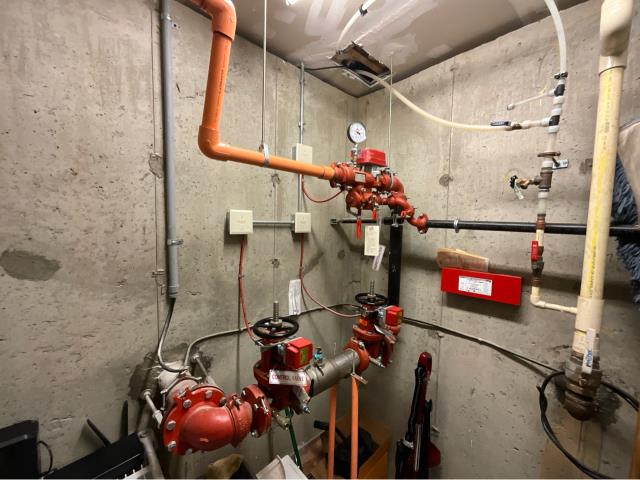
Our team recently completed an NFPA quarterly inspection of a wet fire sprinkler system, helping ensure the system remains code-compliant and ready to operate in the event of a fire.


Just finished up annual NFPA inspections on multiple wet and dry fire sprinkler systems, as well as the standpipe systems. System components were inspected, required testing was completed, and documentation was finalized in accordance with NFPA requirements.
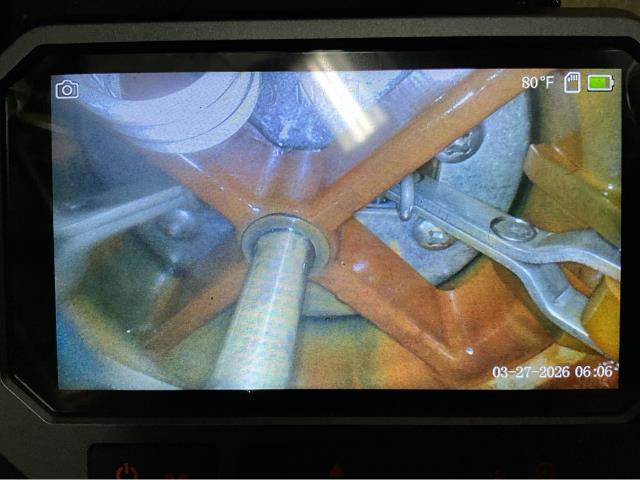
We’ve completed a 5-year internal inspection of two backflow prevention devices at a retail plaza, ensuring they are functioning properly and protecting the potable water supply from contamination
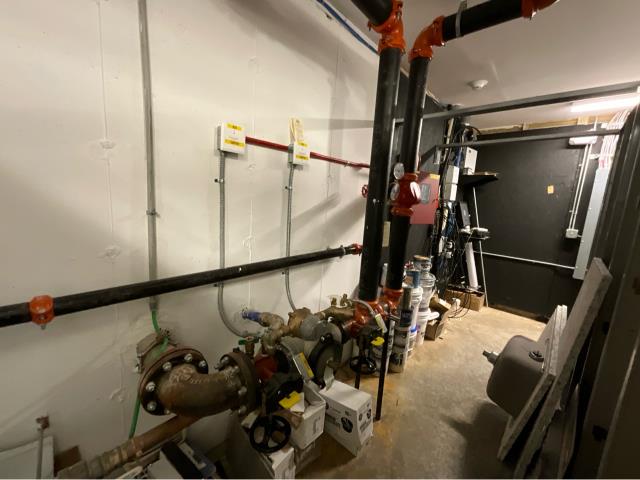
Another wet fire sprinkler system successfully passed its NFPA annual inspection, confirming it’s in proper working condition and ready to protect when needed.
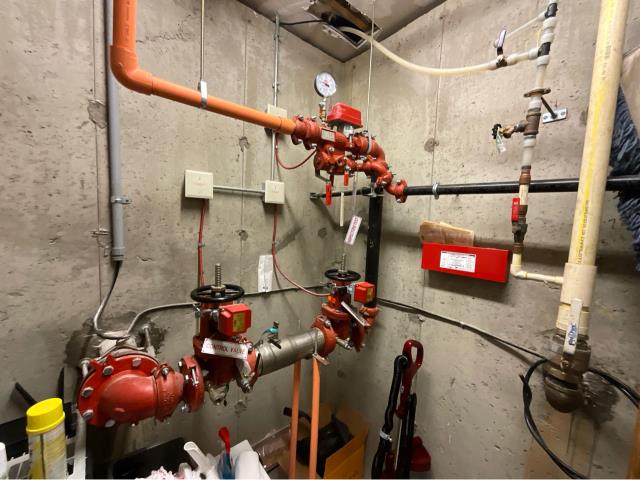
We just completed the NFPA annual inspection of a wet fire sprinkler system, ensuring it is fully operational, reliable, and up to code. Annual inspections required by NFPA standards are a critical part of maintaining effective fire protection. During this service, we checked control valves, alarm devices, pressure gauges, and visible piping to confirm the system is functioning properly and ready to respond in an emergency.


We just completed the NFPA annual inspection of two wet fire sprinkler systems and one dry fire sprinkler system, ensuring all systems are operating properly and remain fully code-compliant.
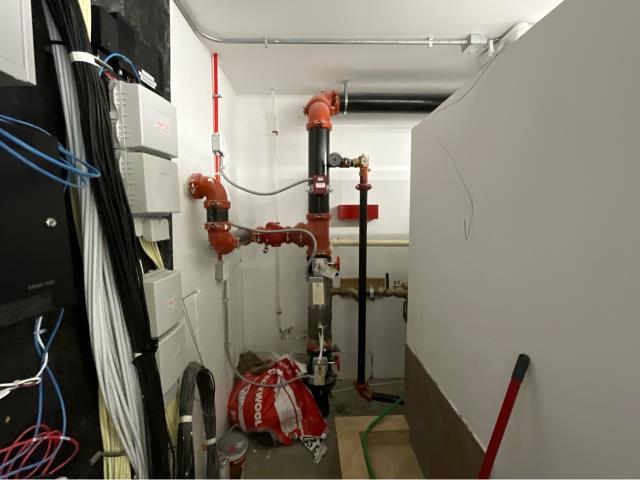
We just completed the NFPA annual inspection of a wet fire sprinkler system, ensuring it remains fully operational, code-compliant, and ready to protect. Annual inspections, as required by NFPA standards, are essential for verifying the performance of your fire sprinkler system. During this service, we inspect control valves, alarm devices, gauges, piping, and overall system condition to identify any issues before they become serious problems.
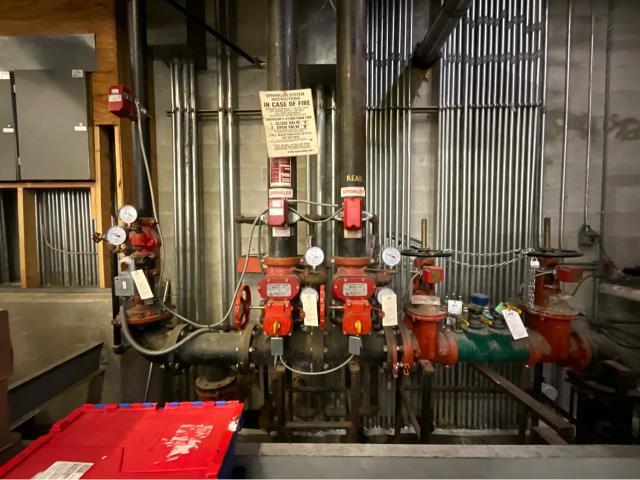
Just completed quarterly NFPA inspections on multiple wet fire sprinkler systems at a local property. Regular inspections help ensure sprinkler systems remain compliant, properly maintained, and ready to operate in the event of a fire. Our team checked valves, gauges, alarms, and overall system condition to verify everything is functioning as intended.


Completed quarterly NFPA inspections on multiple wet sprinkler systems and dry sprinkler systems at a local property. Regular inspections help verify that valves, gauges, alarms, and system components are operating properly and that the systems remain compliant with NFPA standards.


Completed several important fire protection services at a local property, including the repair and testing of a backflow preventer, NFPA 5-year internal inspections on two wet sprinkler systems, and the 5-year hydrostatic testing of the fire department connections. These required inspections and tests help ensure fire sprinkler systems remain reliable, code compliant, and ready to operate in an emergency.
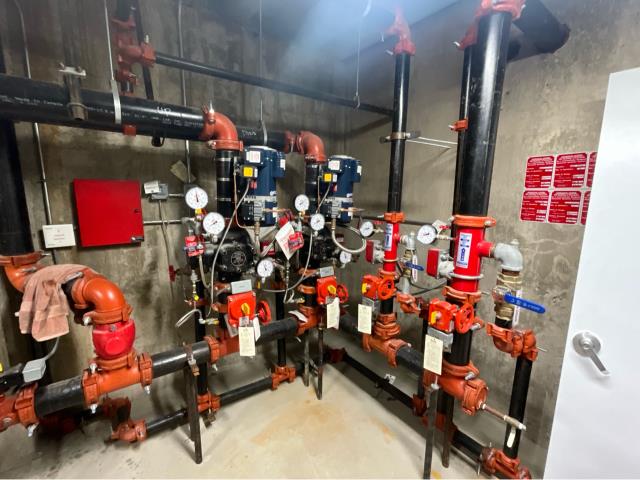
Completed quarterly NFPA inspections on multiple wet sprinkler systems, dry sprinkler systems, and standpipe systems at a local property. Regular inspections help verify that valves, gauges, alarms, and system components are operating properly and that the systems remain compliant with NFPA standards.


Just completed a quarterly NFPA inspection for a property with a wet sprinkler system, dry sprinkler system, and standpipe system. Routine inspections help ensure fire protection systems remain compliant and operate properly when needed. During the inspection, our team checked valves, gauges, alarms, and overall system condition to verify everything is functioning as designed.


Just completed the quarterly NFPA 25 inspection on two wet pipe fire sprinkler systems. Inspected and exercised the control valves, verified gauges were in normal condition, and checked the overall system condition to ensure everything remains in service and code-compliant.
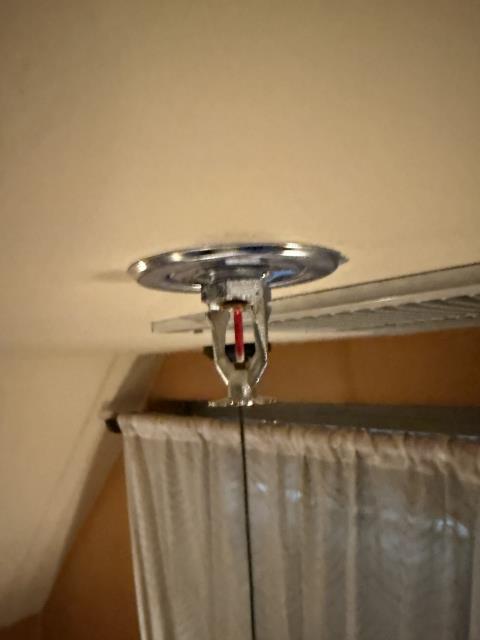
Responded to an emergency service call at a local restaurant for a leaking fire sprinkler head. Isolated and drained the system, replaced the sprinkler head, and restored the system back to service.


We recently completed a quarterly NFPA fire sprinkler inspection on two wet fire sprinkler systems and one dry fire sprinkler system to ensure proper operation and code compliance. Our technicians inspected control valves, pressure gauges, alarm devices, and overall system condition in accordance with NFPA 25 requirements.
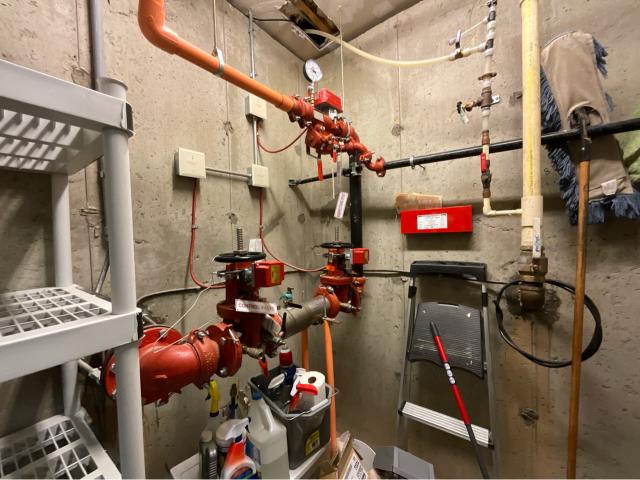
A quarterly NFPA 25 fire sprinkler inspection was recently completed on a wet sprinkler system to confirm the system is in proper working condition. Our technician evaluated system operation, checked alarm and supervisory components, and verified that all required valves and pressures met NFPA fire code requirements. Keeping up with scheduled fire sprinkler inspections helps reduce risk, supports insurance compliance, and ensures commercial fire sprinkler systems are ready when needed most.
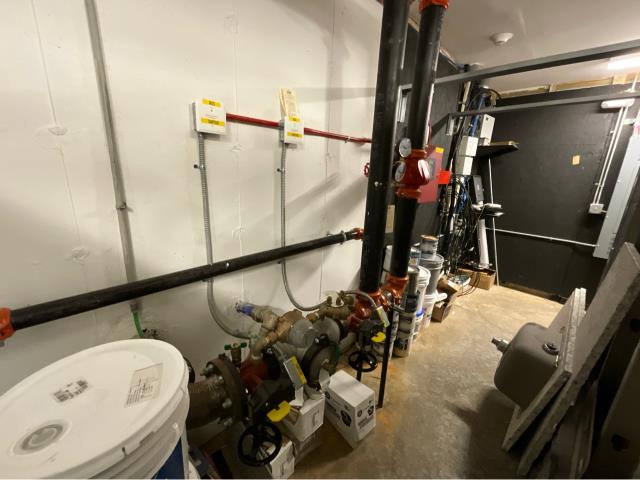
We just wrapped up a quarterly NFPA 25 fire sprinkler inspection on a wet fire sprinkler system to help ensure everything is functioning as designed. Our technician inspected valves, pressure gauges, alarm connections, and overall system condition to verify compliance with NFPA fire sprinkler codes. Scheduling routine fire sprinkler inspections and maintenance is key to protecting occupants, meeting insurance requirements, and keeping commercial buildings compliant and safe.
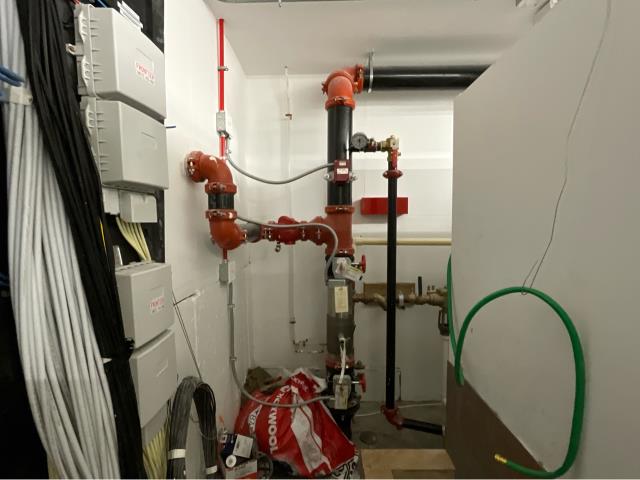
Our team recently completed a NFPA 25 quarterly fire sprinkler inspection on a wet pipe fire sprinkler system. The inspection included checking control valves, gauges, alarm devices, and overall system condition to ensure the system is operating properly and remains code compliant. Regular fire sprinkler system inspections are critical for life safety, insurance compliance, and preventing costly system failures. Staying current with NFPA fire sprinkler requirements helps keep buildings protected and inspection-ready year-round.
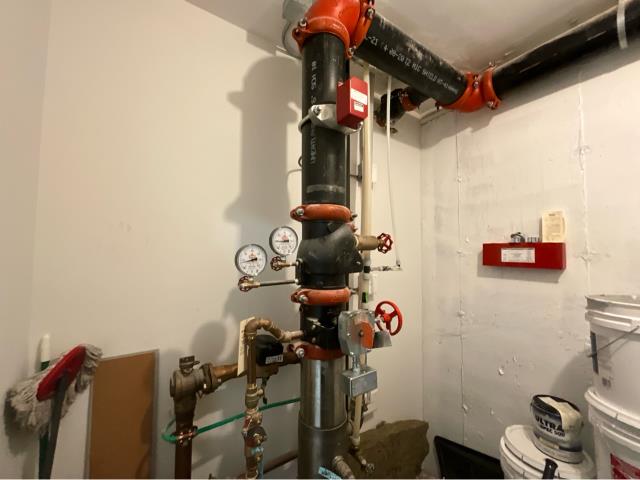
We recently completed an NFPA quarterly inspection of a wet fire sprinkler system to help ensure proper operation and code compliance. During the inspection, our technicians verified system components, checked valves and gauges, and confirmed the system was ready to respond in the event of a fire.
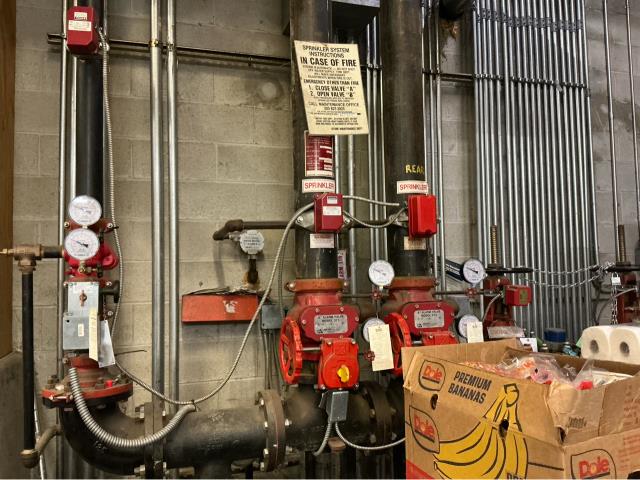
Completed the NFPA quarterly inspection on several wet fire sprinkler systems at a retail location in the area. Our certified technicians performed a full fire protection system check, ensuring code compliance, reliability, and proper operation for the customer’s safety.
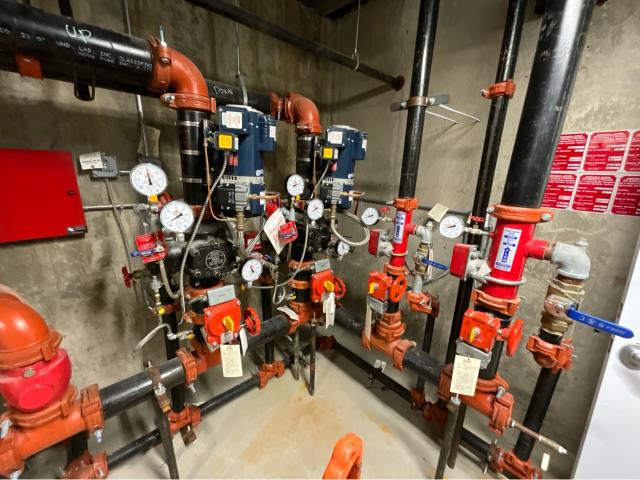
Today our technicians completed a thorough NFPA quarterly inspection covering the building’s wet fire sprinkler systems, dry fire sprinkler systems, and standpipe systems. Each system was carefully examined for proper operation, code compliance, and overall fire protection performance to ensure the property remains fully protected.
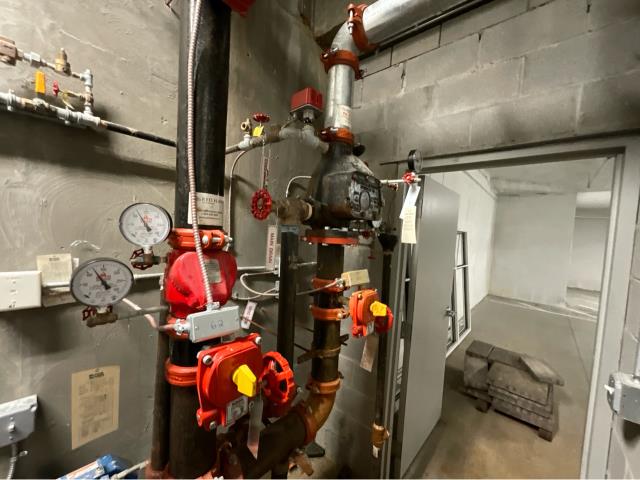
Our team performed a comprehensive NFPA quarterly fire sprinkler inspection, including a full evaluation of the wet sprinkler system, dry sprinkler system, and the building’s standpipe system. All systems were checked for proper performance, code compliance, and overall safety.


We just completed an NFPA semi-annual inspection of two wet fire sprinkler systems. Both systems were thoroughly tested for proper operation, code compliance, and overall readiness. Regular NFPA inspections help ensure reliable fire protection and identify any issues before they affect system performance.
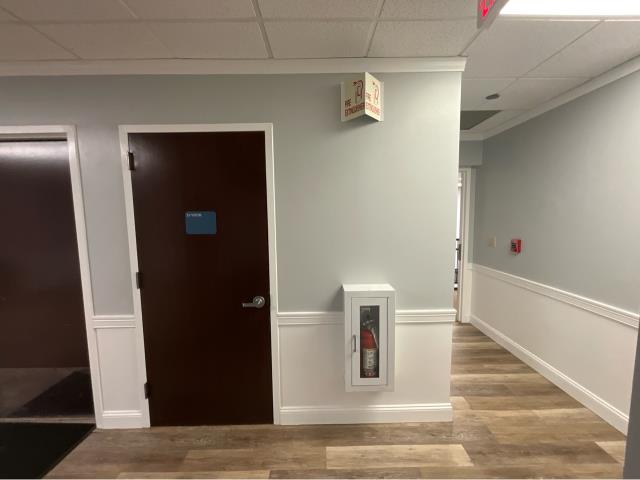
We just completed an NFPA annual inspection of a fire extinguisher to ensure it meets safety and compliance standards. The unit was checked for proper pressure, condition, accessibility, and overall readiness in the event of an emergency. Regular NFPA inspections help ensure your fire extinguishers remain reliable and fully compliant.
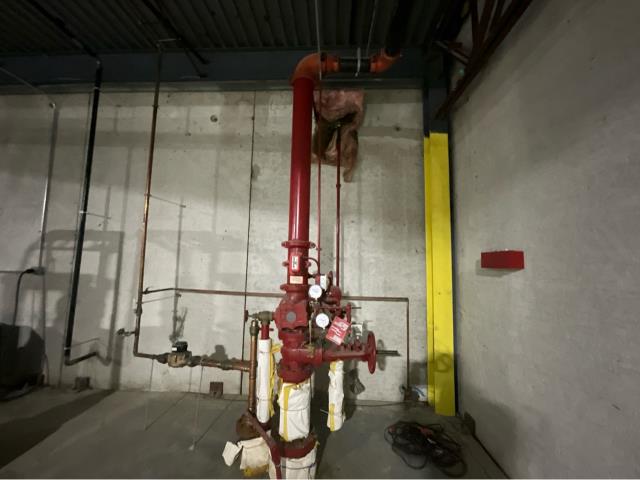
We just completed an NFPA annual inspection of a wet fire sprinkler system. All system components were tested for proper function, compliance, and overall readiness. Regular NFPA inspections help ensure dependable fire protection and identify any issues before they impact system performance.